Choose the story before the equipment
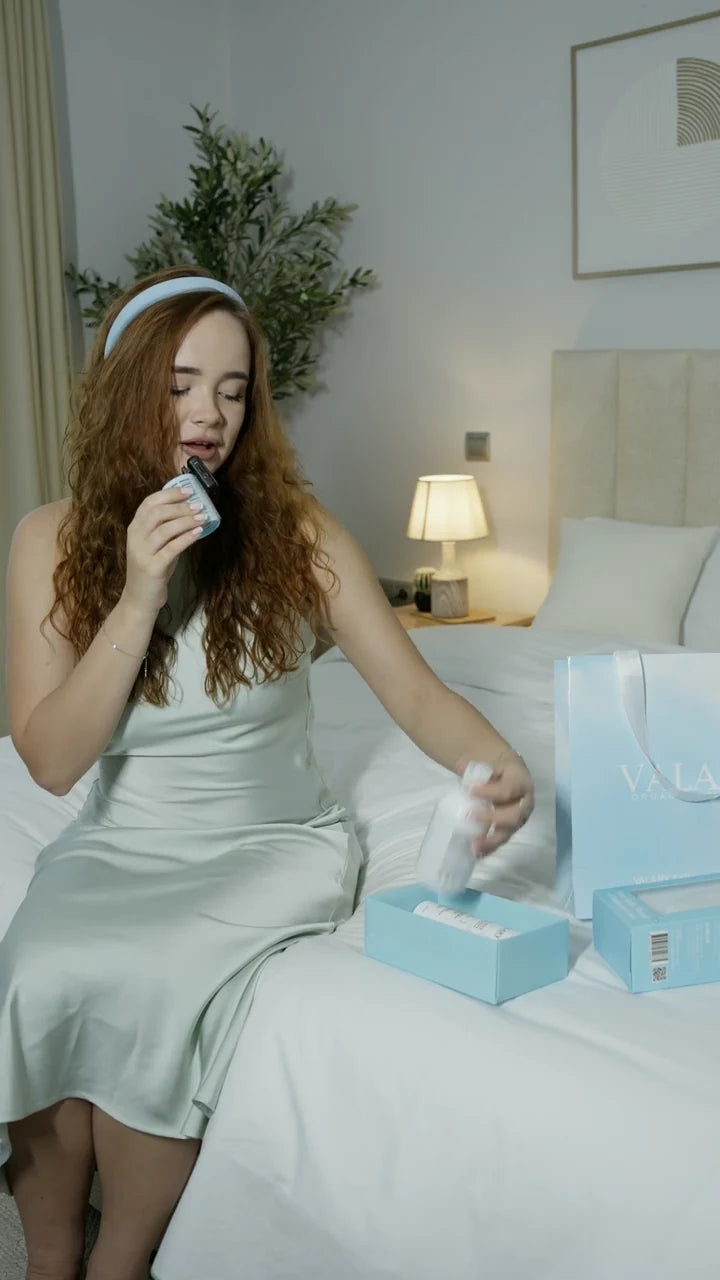
A useful product shoot begins with a shot list. Plan a clean pack image, a texture detail, an application moment and a wider lifestyle frame. Each has a different job: identify the product, show its material, explain a gesture or establish a mood. Decide where each image will appear before choosing the crop.
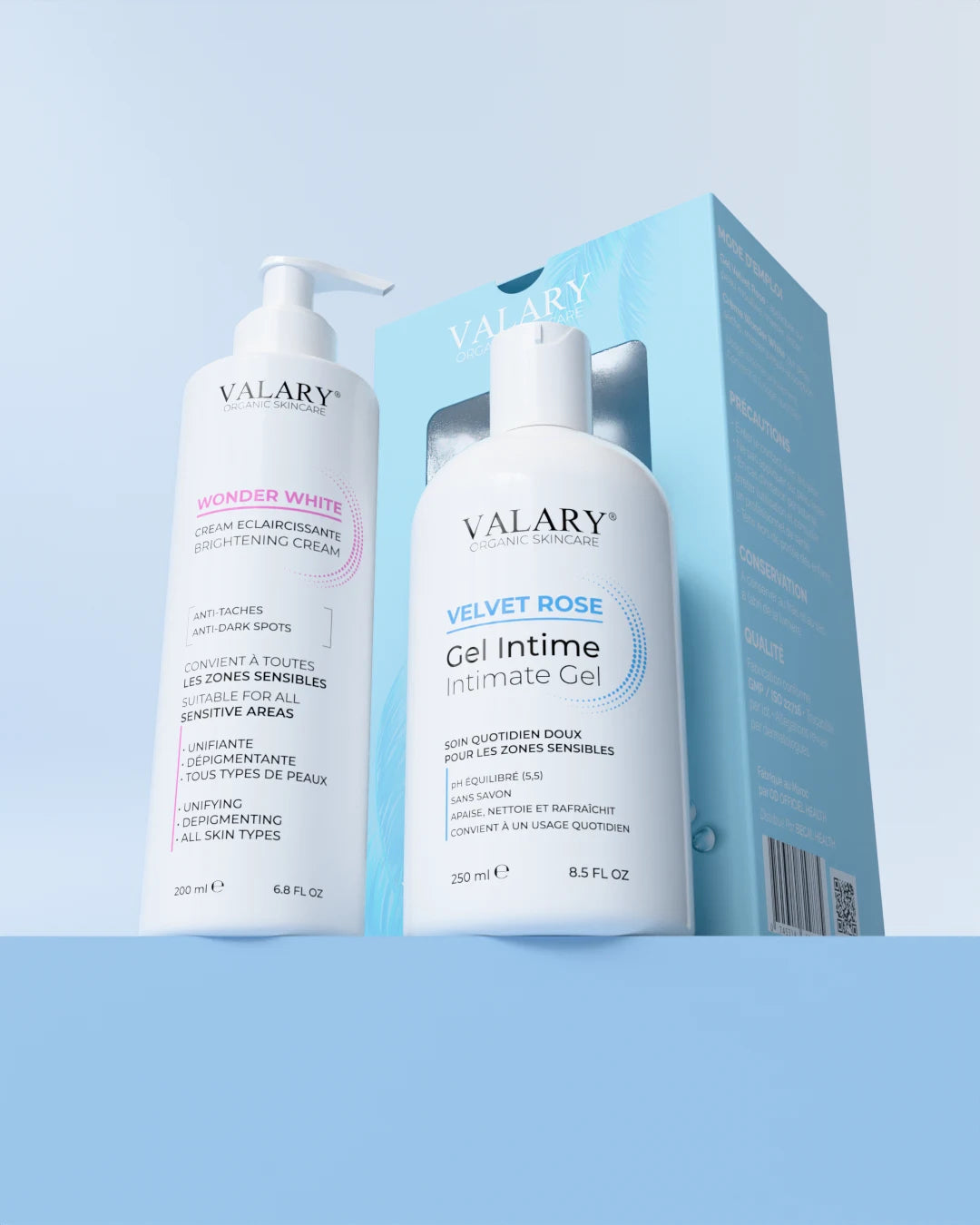
Prepare the product carefully. Clean fingerprints, straighten the label and check that the packaging matches the version being sold. Keep a second bottle or box nearby if repeated handling leaves marks. These small preparations save retouching time and make the final image more credible.
Start with one broad light
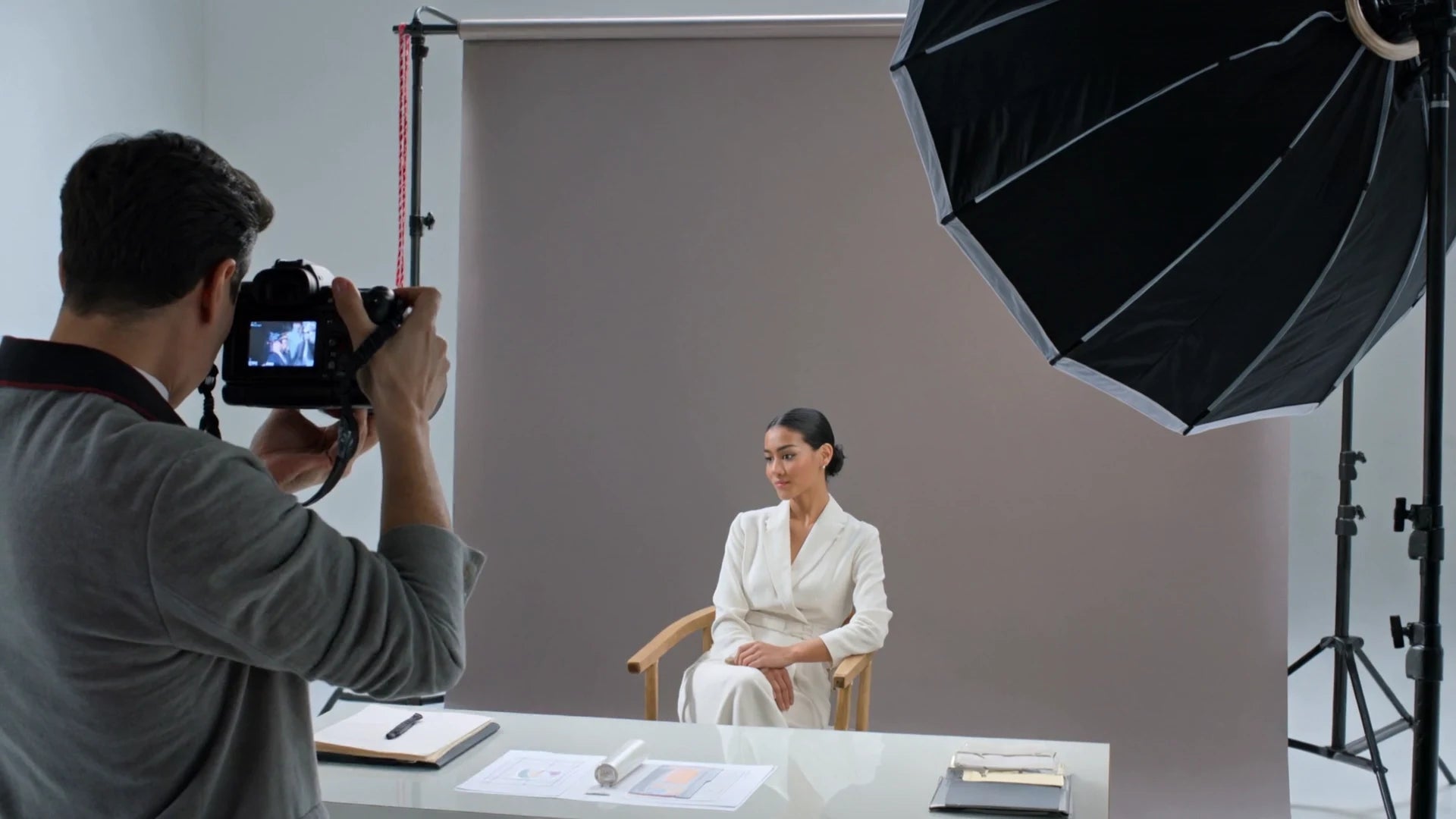
For a straightforward tabletop study, place a large diffused source to one side of the product and a white reflector on the opposite side. Move the source and reflector while watching the label, edges and shadow. A reflective bottle responds to the shapes it reflects, so changing the size or position of the light can matter more than simply increasing brightness.
Take a reference frame, then change one variable at a time. Record the camera position, lens, light height and approximate distances. The lighting diagram below is an illustrative starting point, not a universal recipe; transparent glass, glossy plastic and matte cartons need different adjustments.
Make colour decisions in order
For video, identify the camera’s recording profile before applying a transform. S-Log footage is designed for post-production grading and usually looks flatter before that process. A display conversion and a creative look have different roles. Avoid repeatedly stacking unrelated LUTs until the image looks contrasty.
First establish a consistent exposure and white balance, then match adjacent shots. Finally adjust contrast and saturation for the intended mood. Keep skin, white packaging and important brand colours believable. Check highlight detail and shadows rather than judging only the middle of the image.
Edit for the place it will live
A website cover needs a calm beginning, a readable subject and a crop that still works on mobile. Leave room for the headline. A product demonstration can be closer and more literal. Prepare a poster image and a compact silent loop; give visitors a way to pause motion.
Before delivery, review the whole sequence, not just your favourite frame. Look for colour jumps, awkward gestures, unreadable labels and repeated shots. Preserve original footage and an export master so another format can be made without rebuilding the entire project.
Further reading
Try it in your next project
Opening image: an AI-generated concept scene illustrating the creative process.
← Back to the journal