Choose relevance before reach
Begin with the audience and the type of conversation you want to create. Look at how a creator explains a product, answers questions and relates to their community. A large following is only one signal. Review recent content for tone, production style and whether the audience’s interests fit the product.
Write down the reason for the collaboration. Is it a demonstration, an introduction to a new brand or a practical routine? A clear purpose makes it easier to select a format and decide what to measure afterwards.
Build a brief around the real product
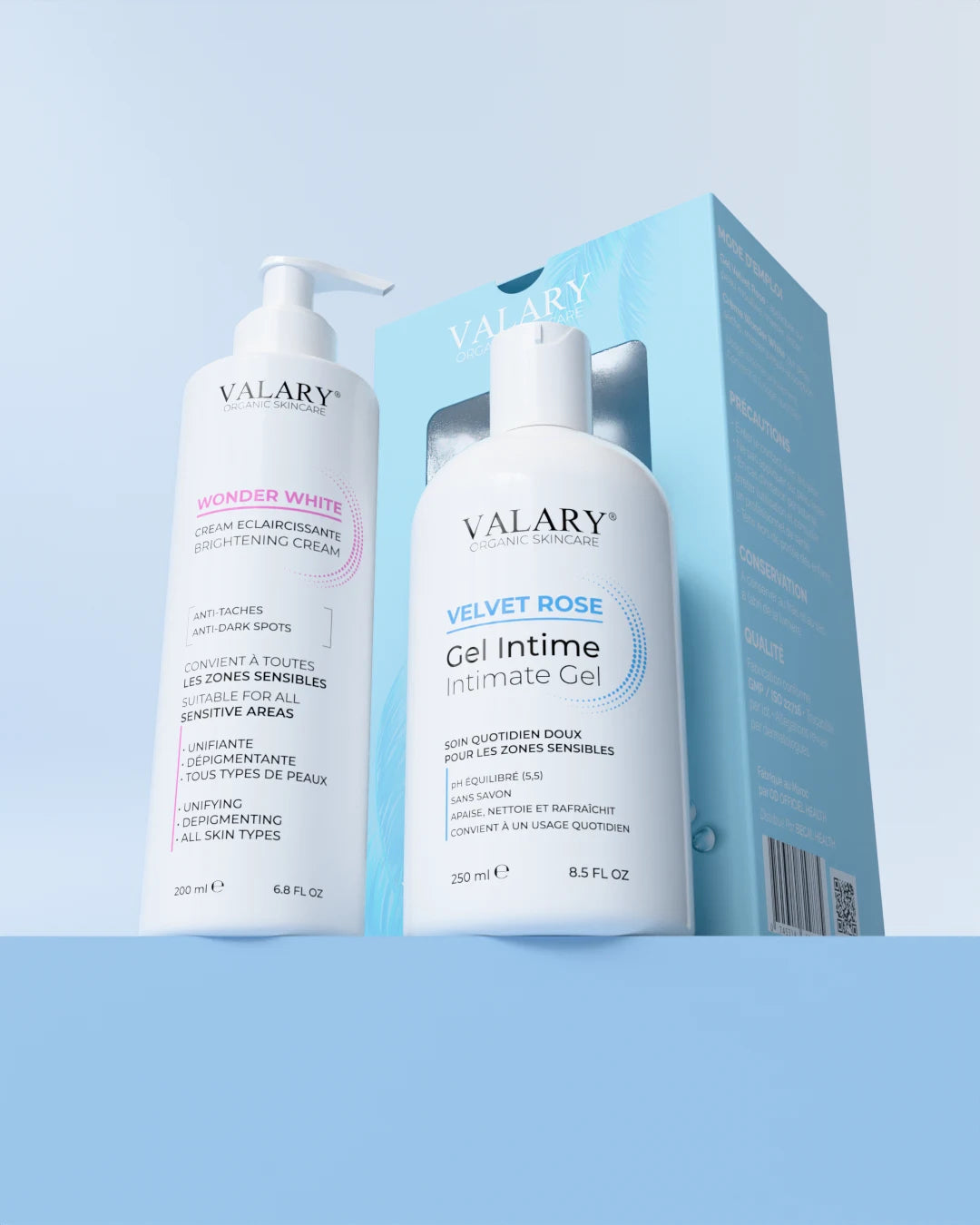
Provide the exact product name, current packaging, intended use and approved information. Separate facts that must be accurate from creative suggestions. Include a simple shot list: opening context, product close-up, useful demonstration and an appropriate next step. Avoid a script so rigid that the creator’s own voice disappears.
For personal care, show only the uses described on the relevant label. Do not ask someone to promise a result, invent a personal experience or turn a cosmetic demonstration into medical advice. If a question cannot be answered from approved information, route it to the brand team.
Agree on practical expectations
Clarify formats, lengths, delivery dates, review rounds and who supplies props or locations. Discuss where the content may be used, for how long and whether paid promotion or editing is included. Record the agreement before production so both parties can plan their work.
Keep the commercial relationship visible. Meta’s branded-content guidance requires its paid-partnership label when content involves an exchange of value, which can include gifted products. Check the current platform requirements for the planned content and agree on the appropriate disclosure before publishing.
Review for clarity, then learn
During review, check the product name, usage, claims, legibility and disclosure. Give specific corrections while preserving the creator’s natural delivery. A genuine, understandable explanation is more useful than a perfectly recited list of marketing adjectives.
After publication, look beyond views. Useful questions, saves, relevant visits and the quality of audience responses can help explain what worked. Compare results with the collaboration’s original purpose. Keep a short record of learnings so the next brief improves instead of repeating the same assumptions.
Further reading
Try it in your next project
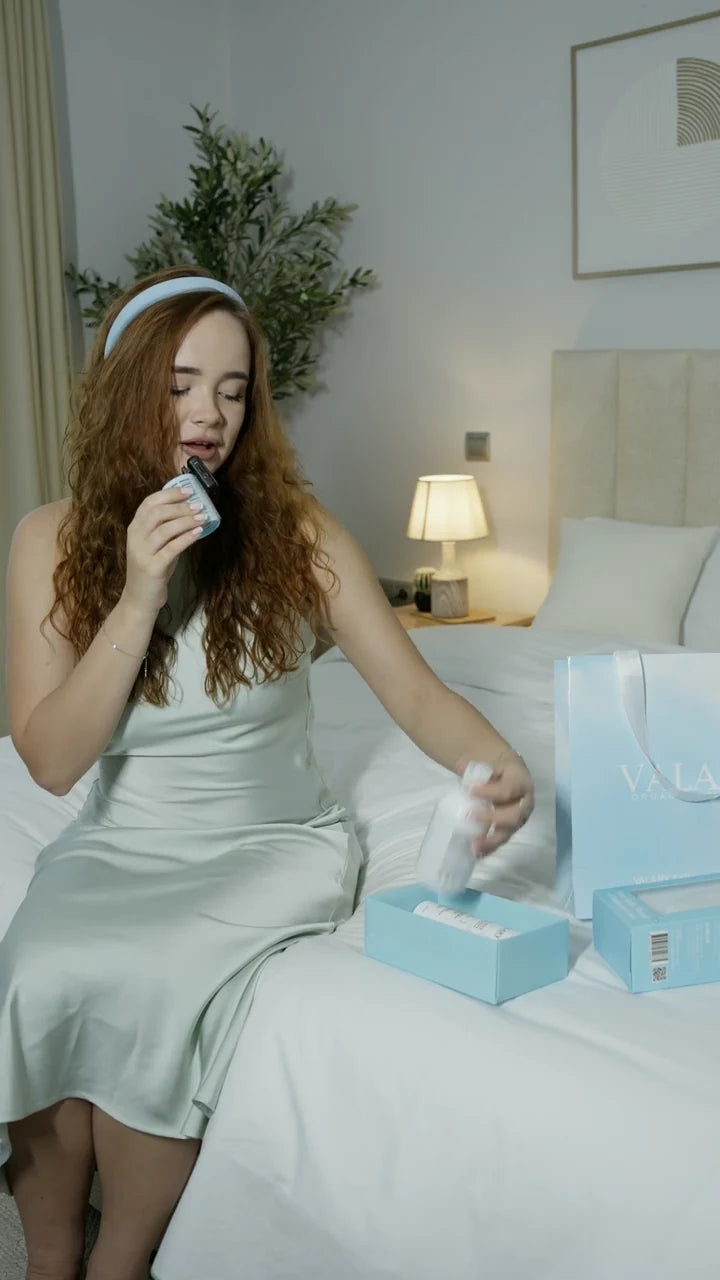
Context02
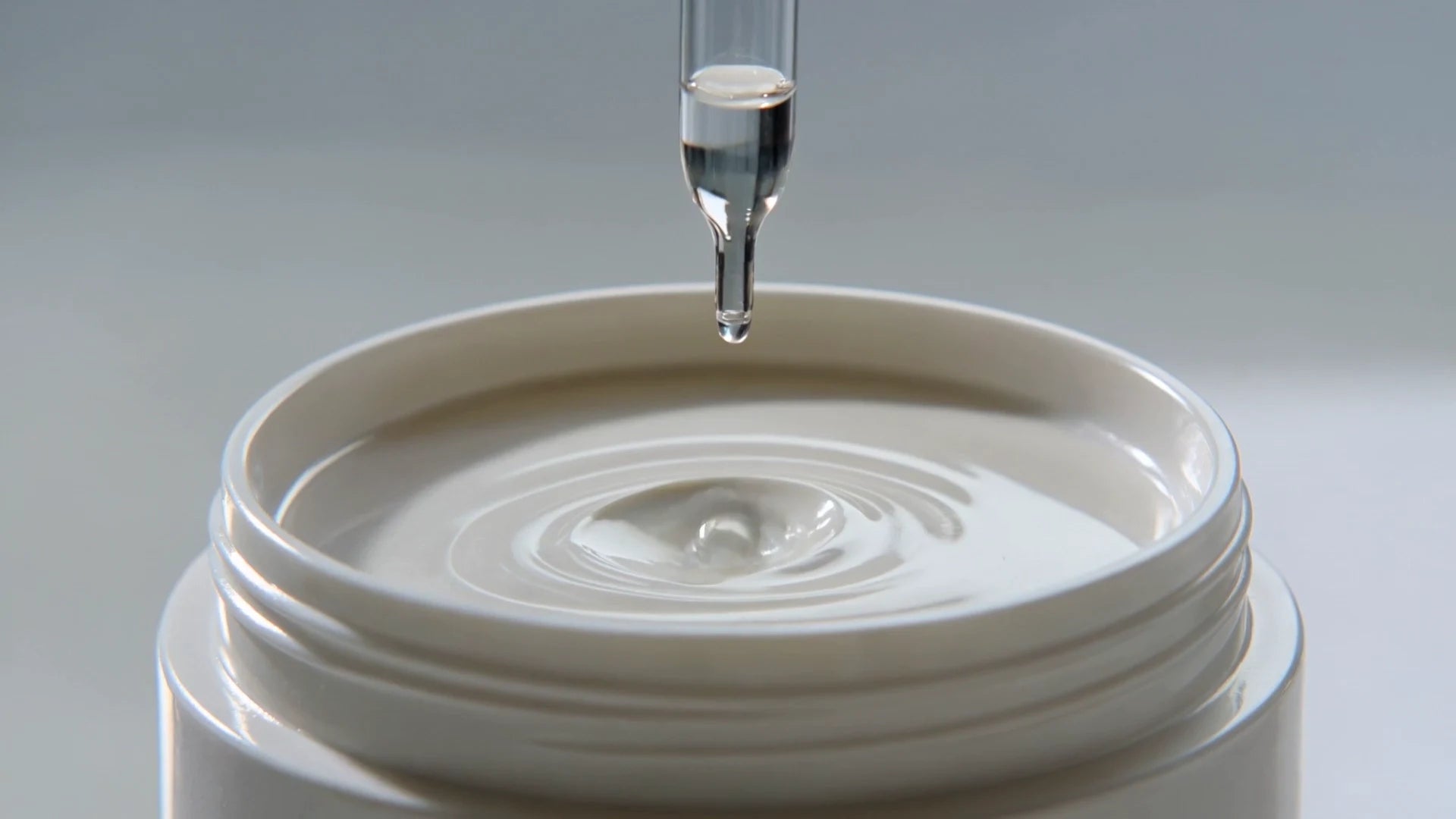
Product close-up03
Useful gesture04
Next step