Make the promise specific
A brand starts with a choice about whom it serves and what it wants to make easier. Write a short positioning statement before drawing a logo. Include the audience, the product category and a difference you can actually explain. “Premium” alone is not a direction; it does not tell a designer what to show or a customer what to expect.
Build a reference board around qualities such as clarity, softness or precision. Discuss what each reference contributes: spacing, material, image treatment or tone of voice. This turns inspiration into a shared vocabulary without copying another company’s identity.
Create a hierarchy that travels
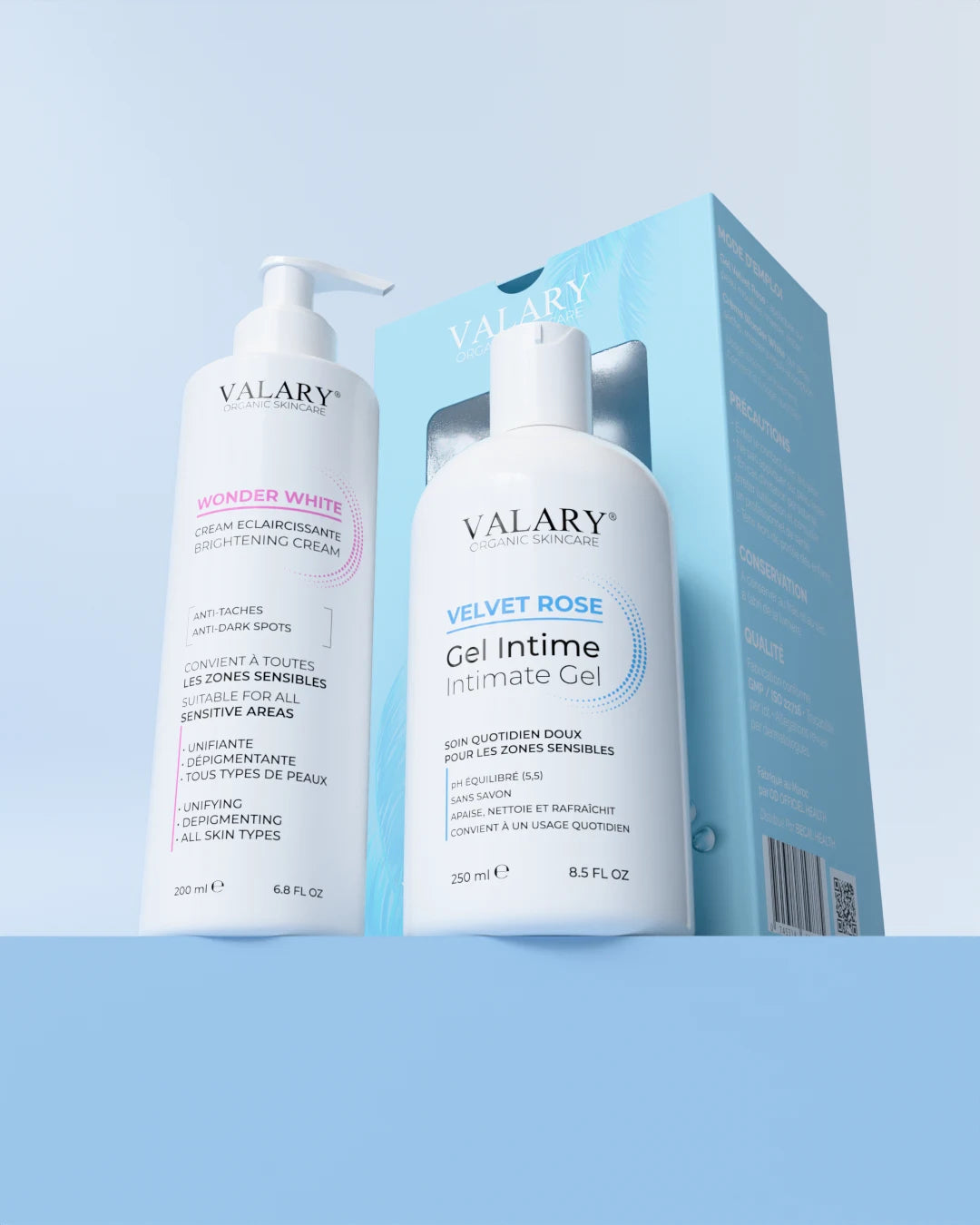
Define the order in which information should be read. A useful starting point is brand, product name, purpose, quantity and directions. Test that hierarchy on the bottle, the carton and a small online thumbnail. A beautiful large mockup can conceal a name that becomes unreadable at real size.
Give each product a place within the family. Keep the logo position, typographic roles and spacing consistent, while using a controlled accent or naming system to distinguish variants. Plan enough flexibility for the next product instead of treating every pack as an isolated poster.
Move from mockup to production
A 3D render is valuable for exploring proportions and discussing a concept. It is not a manufacturing file. Request the supplier’s actual dieline, dimensions and printing requirements. Separate structural guides from artwork and confirm which elements should appear in the production export.
Extend artwork beyond the trim where the printer requires bleed, keep important content inside the agreed safe area and review text on folds and seams. Ask the printer to confirm colour handling and the PDF specification. A physical proof helps reveal problems that a glowing screen may hide.
Build the brand beyond the box
Translate the same system into the product page, shipping insert, campaign images and creator brief. The website should explain the product in words as clearly as the package presents it visually. Keep approved claims and ingredient information connected to the correct product version.
Before launch, collect the logo files, colour values, font usage, photography rules and approved copy in a compact brand guide. Name an owner for updates. A brand becomes recognisable when many people can apply the same decisions with confidence, even as new formats and products appear.
Further reading
Try it in your next project
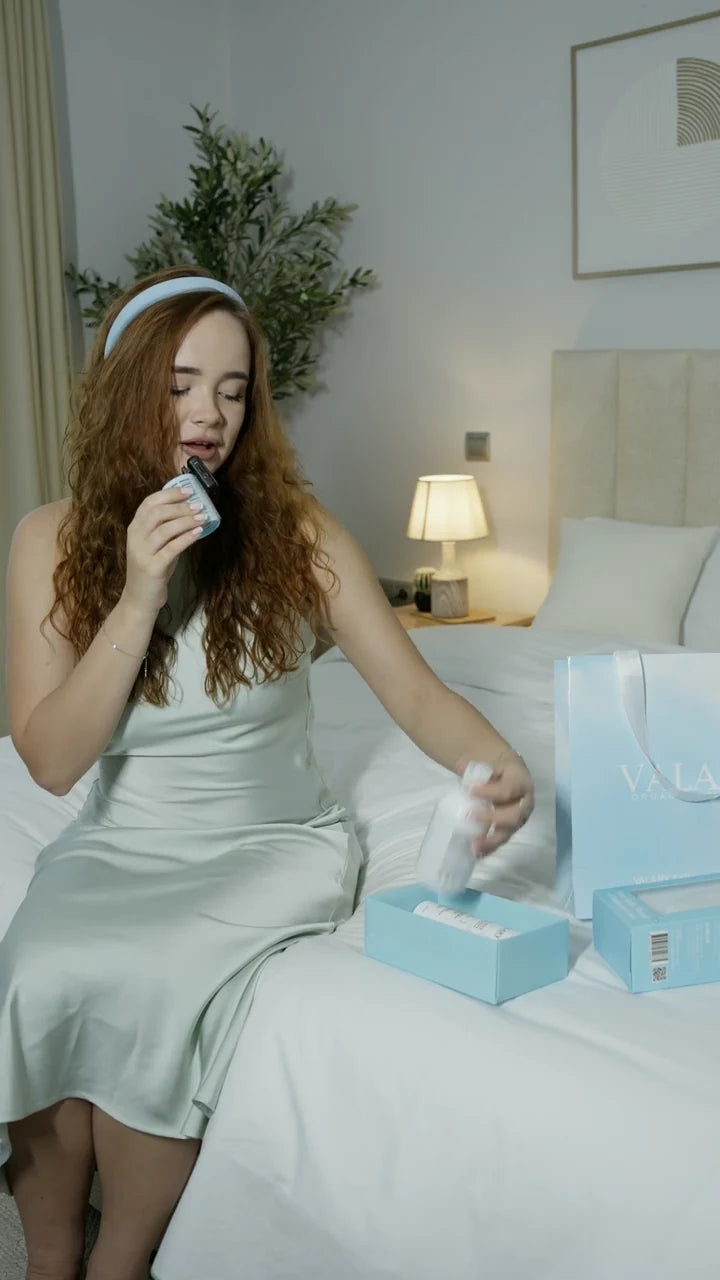
Opening image: an AI-generated concept scene illustrating the creative process.
← Back to the journal